
Tesla Wall Connector “Overheating” Warning? Here’s How We Solved One in North DFW
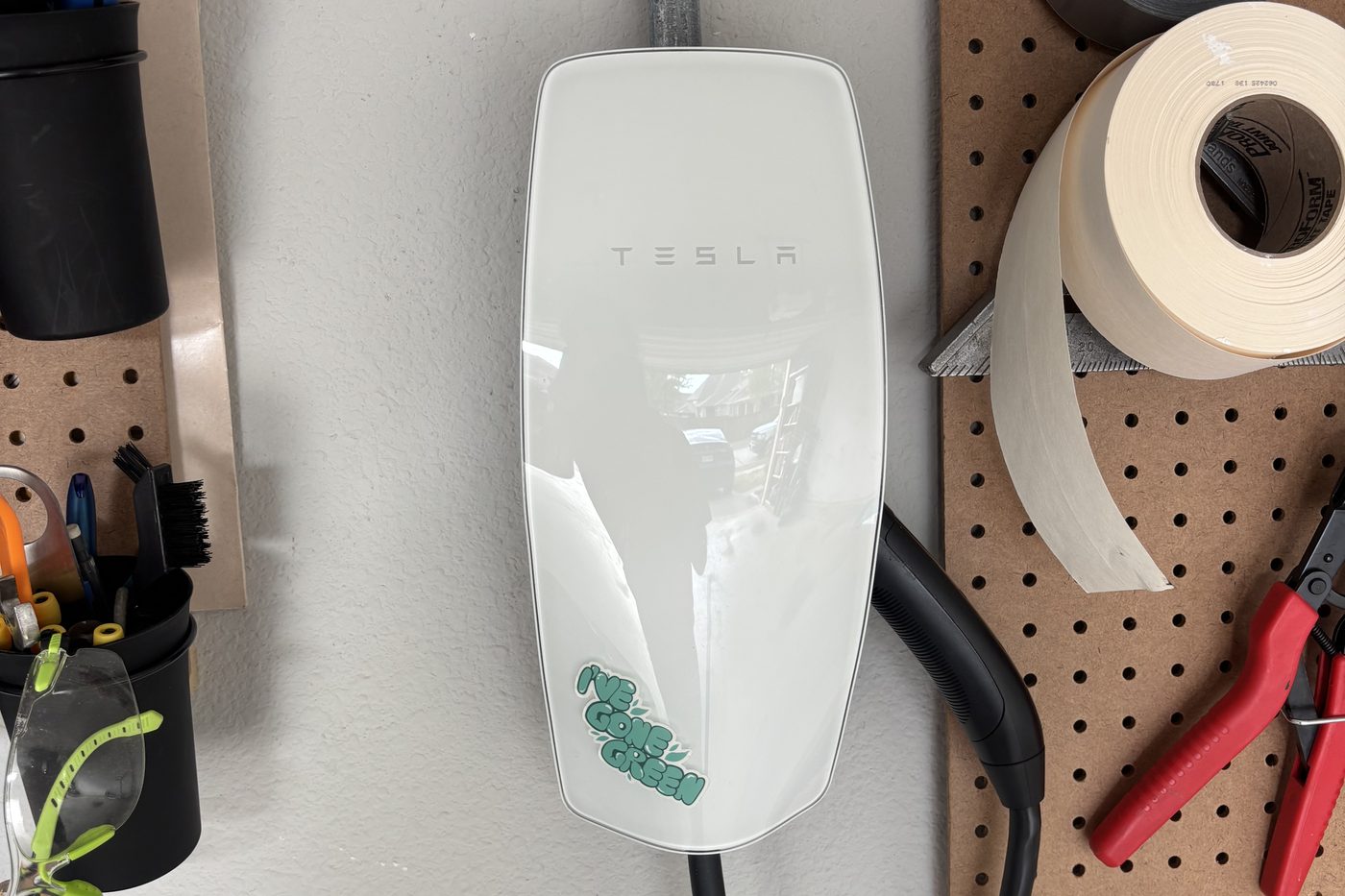
A homeowner called us recently with a frustrating problem: her Tesla Wall Connector kept showing an overheating message and wouldn’t charge reliably. The charger was four years old and out of warranty, so she was understandably worried about a costly replacement.
Being upfront from the start
When we arrived, I was honest with her: I couldn’t promise a fix on the spot. An overheating warning can come from the wiring feeding the charger, or from a failing unit. Without investigating, there was no way to know which.
So we laid out a clear plan. Our troubleshooting and service call would cover a full check of the wiring, breaker, and connections. If it turned out she needed a new Wall Connector, she could purchase it, and when we came back to install it, we’d deduct today’s trip charge from that installation bill. She’d know the cost of each path before we started, and she wouldn’t pay twice for us to show up. She agreed, and we got to work.
What we checked
We went through the whole circuit methodically:
- Conductor size and wiring methods. We confirmed the wire was correctly sized for the charger’s load and installed to code.
- Breaker size. We verified the breaker matched the wire and the charger’s configured output.
- Insulation integrity. We used a megohmmeter to test the insulation on the circuit conductors, ruling out hidden damage in the wire itself.
- Connection tightness. We checked the terminal screws at the breaker and inside the Wall Connector.
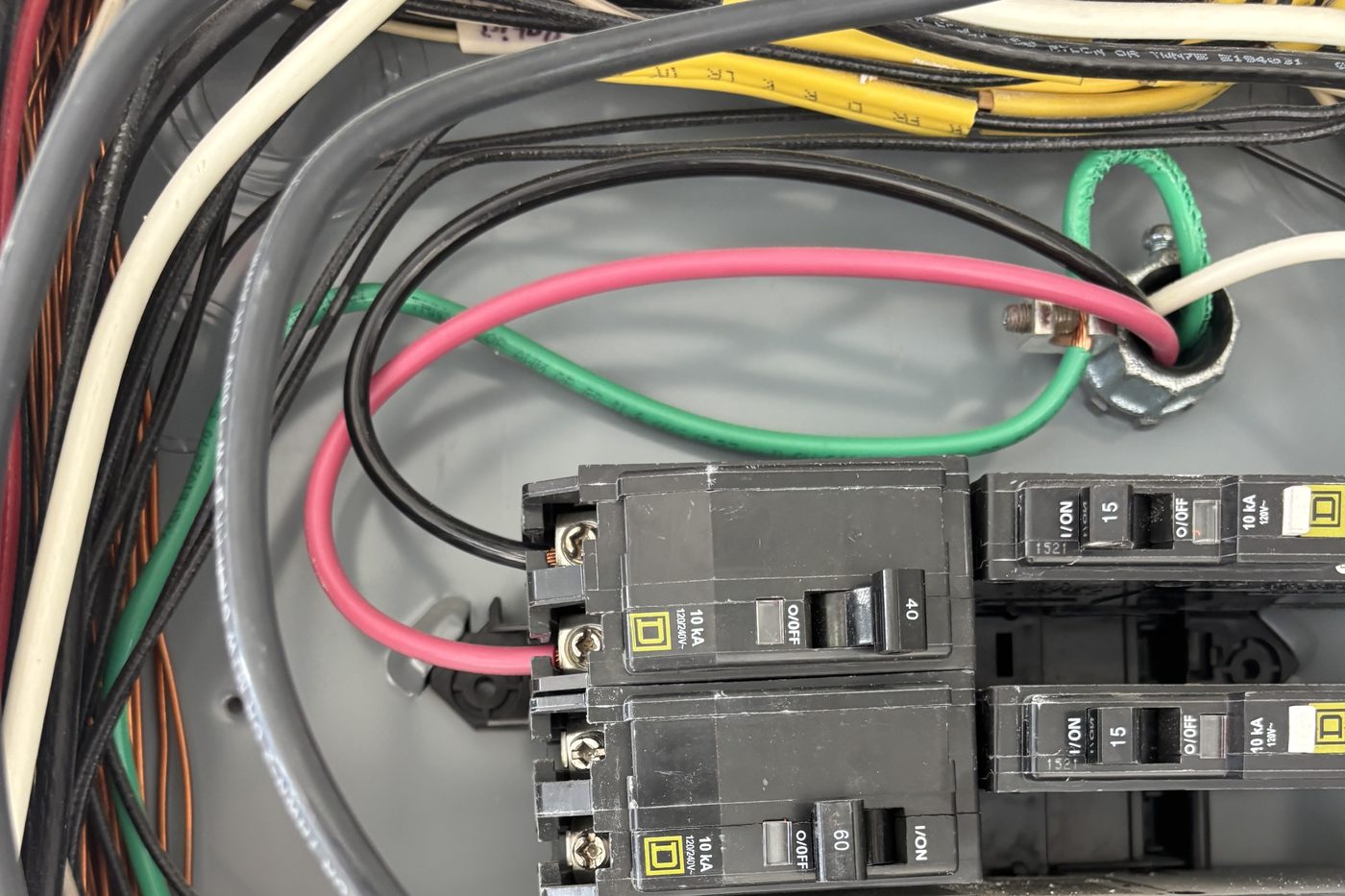
That last check turned something up. The terminal screws inside the Wall Connector were several turns too loose.
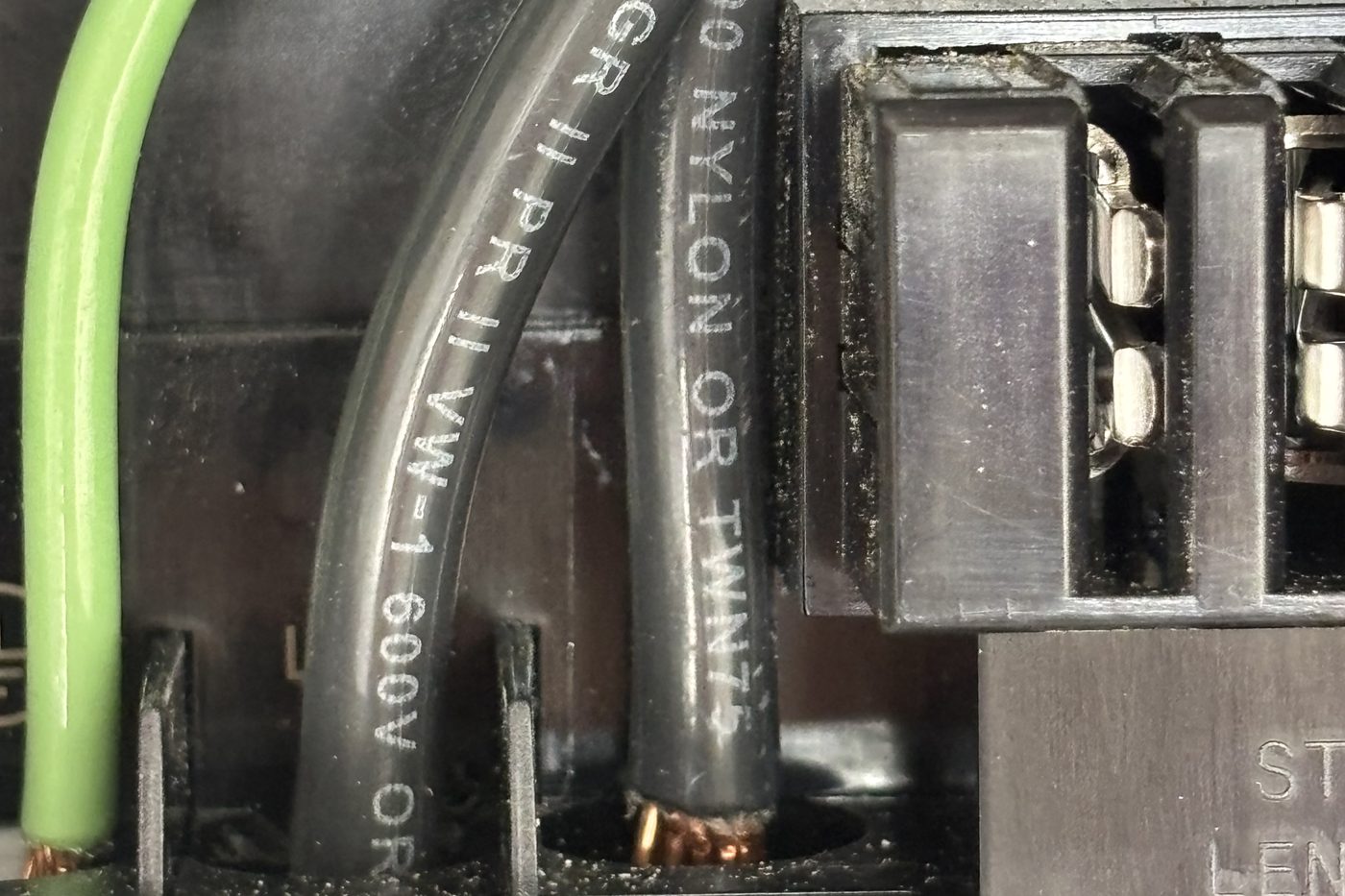
Was that really the problem?
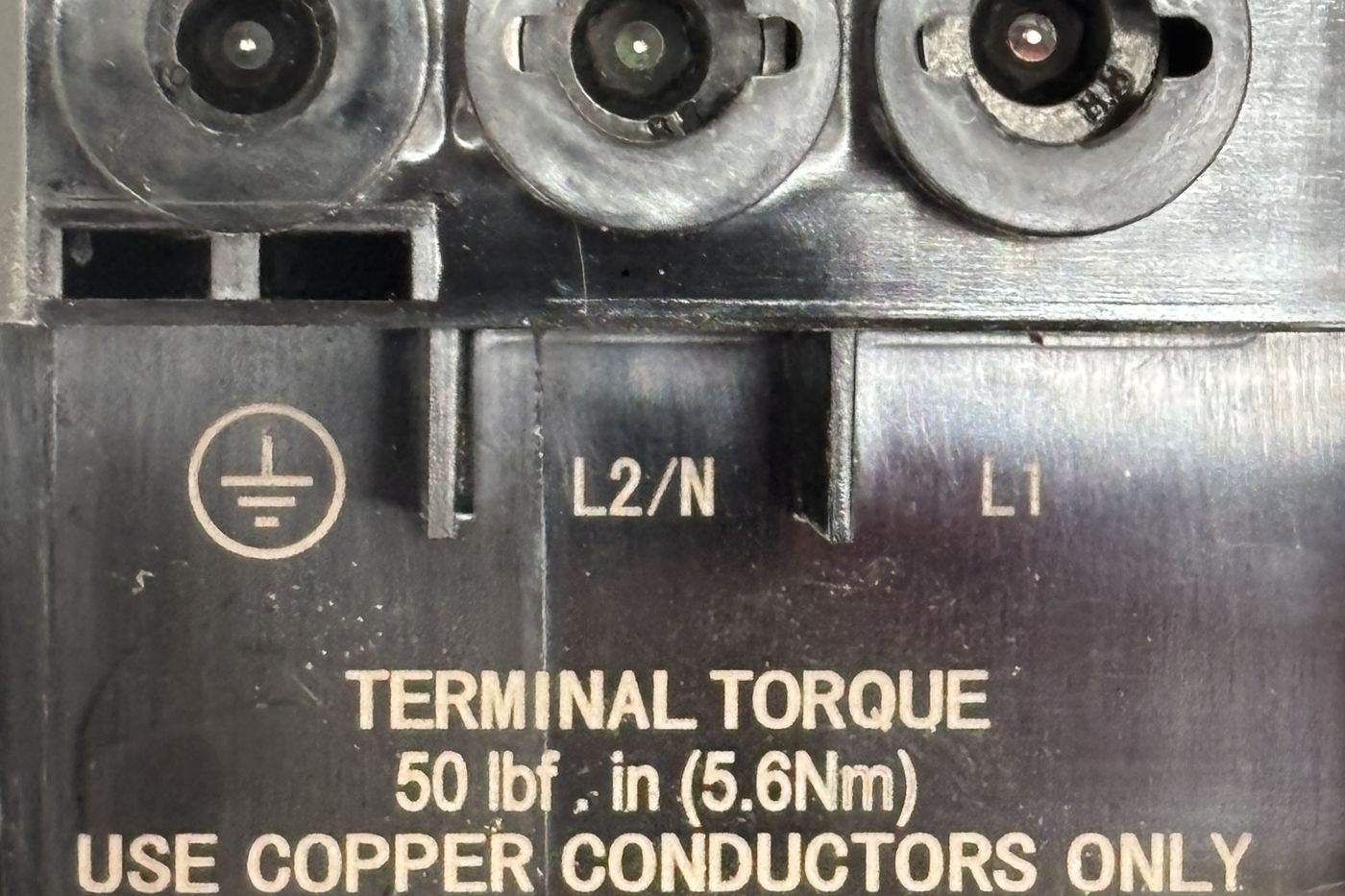
Honestly, I wasn’t sure. Loose connections create resistance, and resistance creates heat. But there was no sign of arcing and no melted or deformed plastic, which is what you’d usually expect to see if a loose terminal was cooking. We tightened every terminal to the manufacturer’s torque specification, closed everything up, and I told her plainly that this might not be the fix and to be prepared for that.
The follow-up call
A few days later I called to check in. The overheating message was gone, and the charger was working normally. The fix was a set of properly torqued screws, not a new charger.
Why this matters
Electrical troubleshooting isn’t always a straight line, and anyone who promises a guaranteed fix before they’ve looked is guessing. Here’s what we believe a good service call looks like:
- A flexible approach. We test the whole system instead of assuming the most expensive answer.
- Transparency. You know what we’re checking, what it costs, and what happens next before we pick up a tool.
- Personal follow-up. We don’t consider the job done until you tell us it’s working.
If your Tesla Wall Connector or any EV charger is throwing warnings, tripping, or running hot, don’t ignore it. Loose connections and undersized wiring are real fire hazards, even when the symptom seems minor.
Acoustic Electric serves Princeton, McKinney, Wylie, Farmersville, and the greater North DFW area. Call us at 972-275-9007 or email [email protected] to schedule a service call.